
Concept of the Suburb

Updated: Apr 25, 2022
When researching housing discrimination, it was important that I make some connections to the larger American story -- people were moving to the suburbs for a reason. A narrative created in the 1800s, moved by progressive ideals of health -- clean air and open spaces was promoted as a healthier way of living. I wrote this very short paper on the Concept of the Suburb with some of the ideas I wanted to share but not distract from the larger story of Berkeley's history of development and zoning
A great first read if you want to learn more about suburban design and sprawl is Kenneth T. Jackson's Crabgrass Frontier.
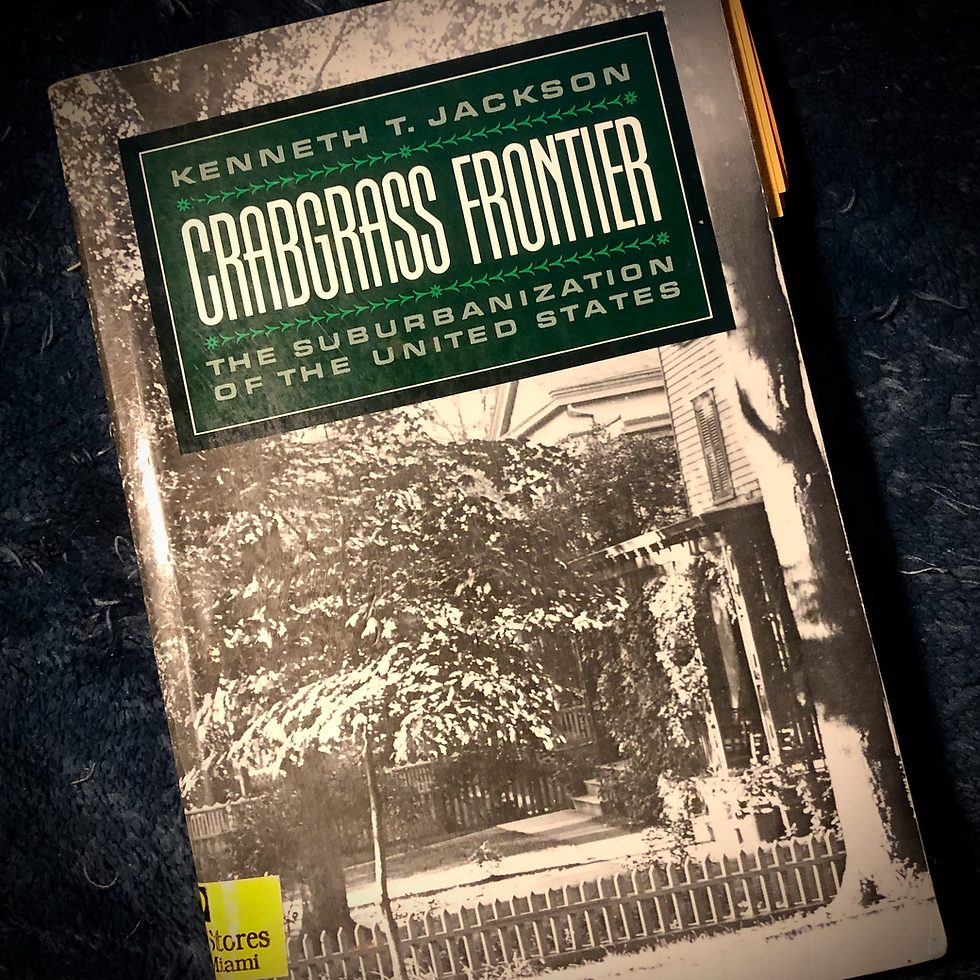
Crabgrass Frontier (1985)
Jackson's book has been out since I was a Junior/Senior in high school, but there's a reason it's still out there, possibly hanging out on the shelves of used bookstores, or hopefully, still waiting for you on library shelves near you: it's a great source.
The book is approachable, (enjoyable even!) yet fully researched -- the facts are there to back up the information! The acknowledgements aren't just to thank his friends -- they are a deep dive of the resources Jackson searched out: all the people, fellowships, foundations and institutions that made the book possible. It's written in an informative narrative that starts from the beginning: people like Lewis Mumford, (who's The City in History (1961) is well worth reading as well -- one doesn't win the National Book Award for nothing!)
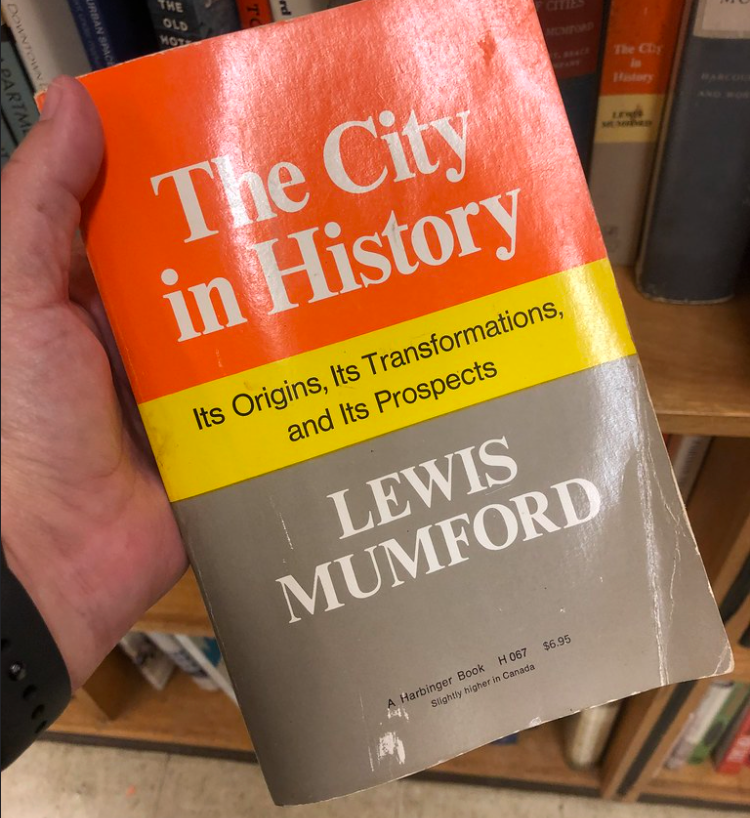
The City in History (1961)
Both are excellent general histories -- Mumford's book is general history of urban history and Jackson's book takes off in the era where streetcar suburbs began. Neither book is a focus on discrimination, but give you ideas of where we as a people started off with good ideas gone bad.
Cities and Suburbia are not 'bad ideas' in themselves, but often designers are not as forward thinking as they believe they are. Whether they are garden suburban designers like Frank & Wickham Havens, Duncan McDuffie or William Levitt (of Levittown fame) these folks are ideally only building for the next few decades. Beautiful homes built by William Raymond Yelland or Julia Morgan could remain beautiful forever -- but they, like their manufactured Levitt cousin, remain the same: single family homes.
Developments of single family homes don't take into consideration the growing population of the space they exist: whether it's Brooklyn or Berkeley. And developments that limit who can live in those communities don't make room for people of varied incomes, or different cultures, heritage, color, or social dynamic. The name "single family home" implies rather obviously that one is a family -- but definitions of family are flexible and don't always imply the nuclear family. It doesn't consider adult children who return home in their thirties, or blended families, or single parents that might work from home. The affordability of homes is such that sometimes roommates or blended/ multiple family dwellings are ideal. In another twenty years the concept of family or "home" may change drastically again. Learning about how we got to today is important for connecting to our community and using critical thinking for the future.

Comments